When a home feels drafty in the winter, overheated upstairs in the summer, or constantly harder to keep comfortable than it should be, people usually blame one thing.
They say the house needs more insulation. Or they say the attic needs more ventilation. Or they say the HVAC system is the issue.
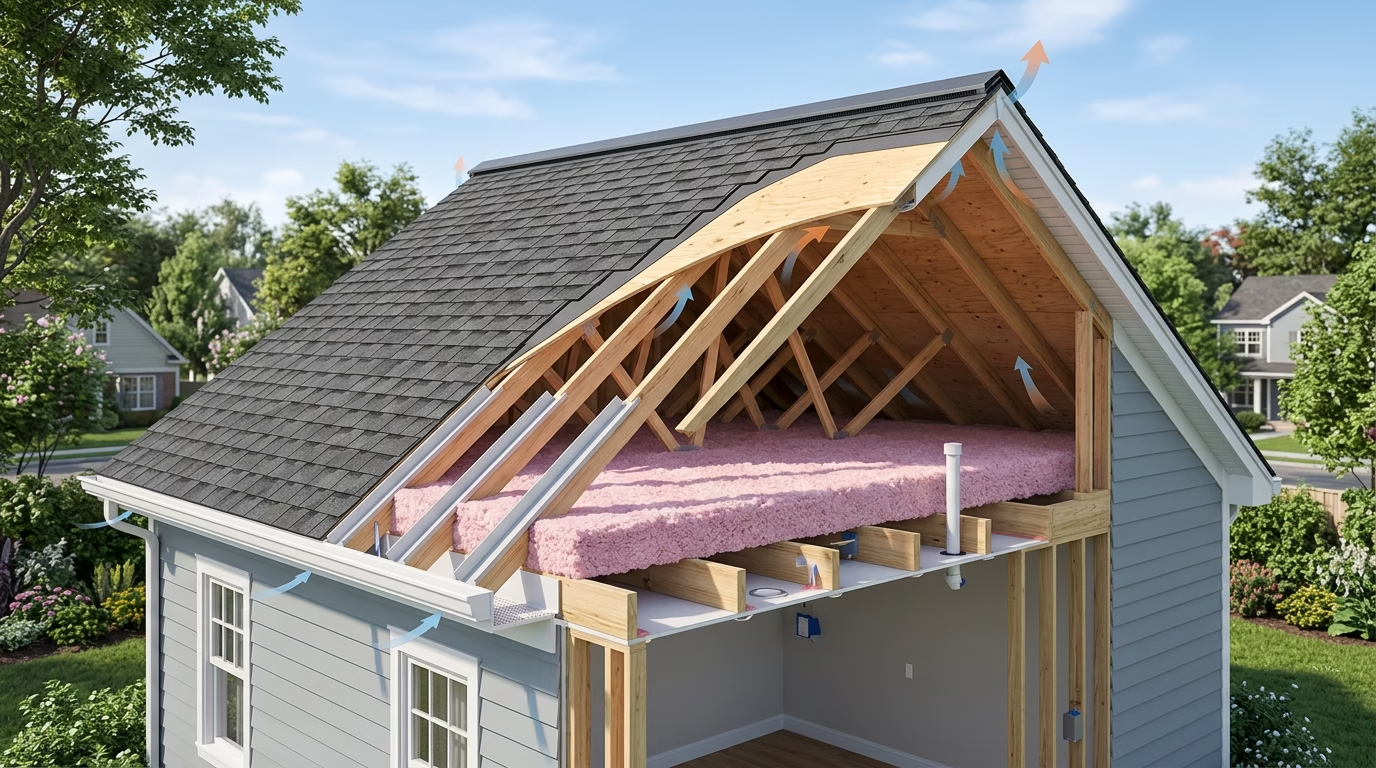
Sometimes one of those is true. But a lot of the time, the real problem is that these parts are being treated like separate fixes when they actually work as a system. In a typical vented attic, insulation helps slow heat transfer, air sealing helps stop warm, moist indoor air from escaping into the attic, and ventilation helps move out excess heat and moisture. Adding insulation while allowing outdoor air to ventilate the attic is a key part of a durable, energy-efficient home, and proper insulation and air sealing help keep attics cold in winter by blocking heat and moist air from below.
If one part is weak, the whole system gets sloppy. And sloppy attic systems love to show up as comfort problems, moisture issues, ice dams, and wasted energy. DOE also notes that moisture is the number one enemy in an attic, that it can damage the roof and render insulation useless, and that attic moisture problems are often closely linked to improper ventilation.
What Homeowners Usually Notice
Most homeowners do not walk into the attic and announce, “Ah yes, the enclosure system is imbalanced.”
They notice things like:
- Rooms that are too hot in summer or too cold in winter
- Uneven temperatures from one room to another
- Higher heating and cooling bills than expected
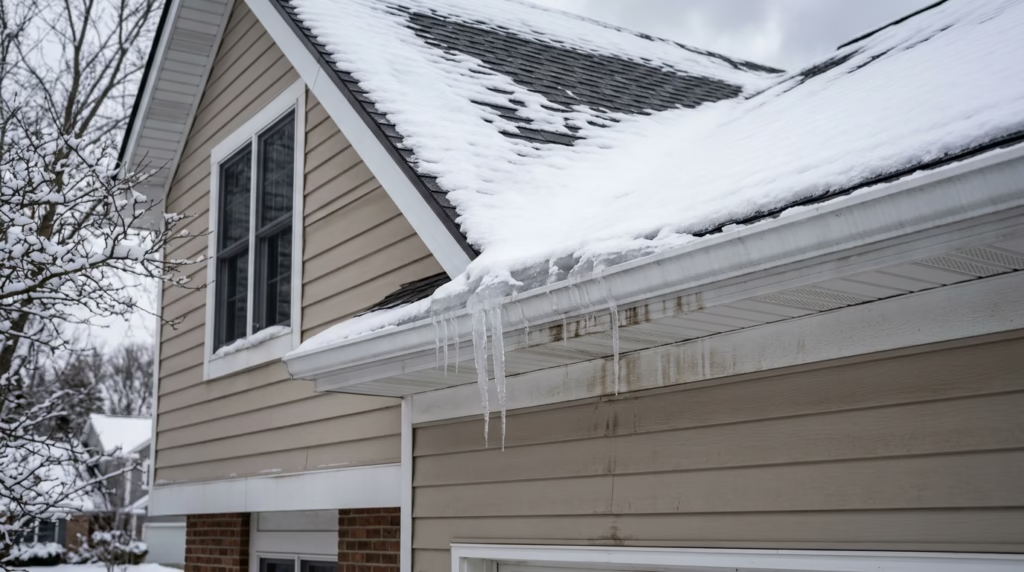
- Ice dams near the roof edge
- Frost, dampness, or musty smells in the attic
- Wet or dirty-looking insulation
- Mold or mildew on attic surfaces
- Bathroom mirrors fogging up easily and humidity lingering in the house
- A second floor that never quite feels right
Those symptoms are common signs that insulation, ventilation, and air sealing are not working together the way they should. ENERGY STAR specifically lists drafty rooms, uneven temperatures, high utility bills, dust, and ice dams as common symptoms that point to attic air-sealing issues, and DOE’s durable-attics guidance lists wet insulation, mold or mildew, and warped or rotted soffit and fascia as possible signs of moisture intrusion.
What It Usually Means
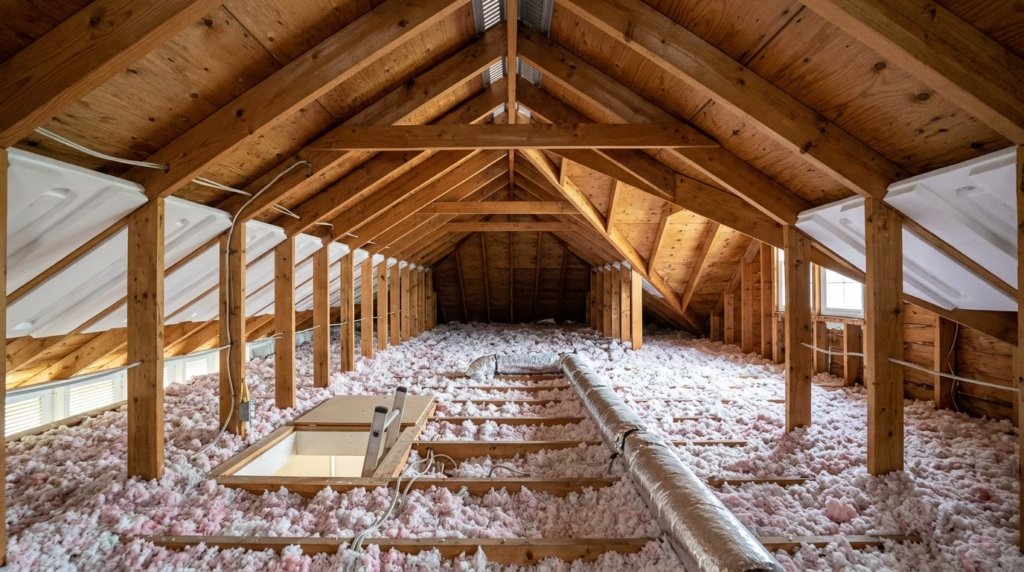
A lot of homeowners think insulation and ventilation do the same job. They do not.
Insulation slows heat flow. Ventilation helps an attic release excess heat and moisture. Air sealing reduces the movement of indoor air into the attic in the first place. When these three work together, the attic stays more stable, the home stays more comfortable, and the chances of moisture trouble go down. DOE’s guidance on air sealing says the recommended strategy is to reduce air leakage as much as possible and then provide controlled ventilation as needed, while ENERGY STAR says attic insulation should be added after air sealing, not instead of it.
In a vented attic, the goal is not to make the attic cozy. The goal is to separate it well from the living space below, then let the attic breathe the way it was designed to. In winter, that helps keep the roof colder and reduces the risk of ice damming. In summer, it helps move out heat and moisture while the insulation resists heat transfer into the home.
What Causes the System to Break Down
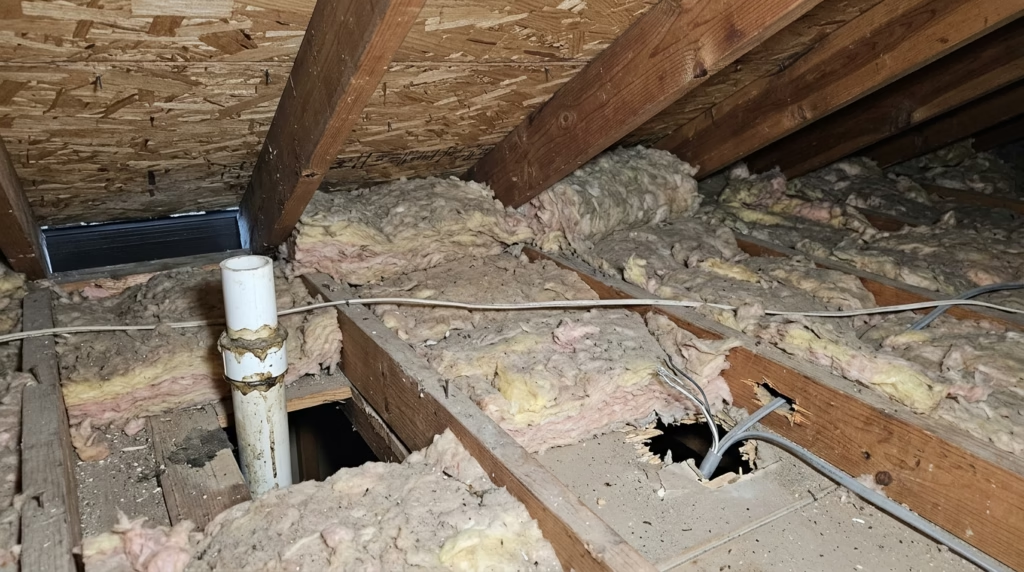
Too little insulation
Sometimes the home really does need more insulation.
If attic insulation levels are low, thin, compressed, missing in areas, or poorly installed around edges and access points, heat moves too easily between the living space and the attic. That affects comfort and efficiency, and in colder climates it can contribute to roof warming and ice dam conditions. ENERGY STAR notes that the attic is often one of the easiest and most important places to improve comfort and energy efficiency by adding insulation after air sealing.
Air leaks from the house into the attic
This is the part people skip all the time.
Warm indoor air finds openings around light fixtures, top plates, plumbing penetrations, duct chases, dropped soffits, attic hatches, and other gaps. Once that air gets into the attic, it brings heat and moisture with it. That is bad news in Michigan winters. Building Science explains that in cold climates, attic moisture and ice-dam risk are often driven by heat loss from the conditioned space, especially from air leakage and conductive losses. DOE also notes that controlling air leakage is critical to moisture control and should be treated as part of a whole-house systems approach.
Blocked or weak attic ventilation
Even when a house has soffit and ridge vents, that does not mean they are doing their job.
One of the most common mistakes is blocking soffit vents with insulation. ENERGY STAR is very direct about this: do not cover attic soffit vents with insulation, and use rafter vents or baffles to maintain airflow. DOE’s attic prep guidance also calls for soffit vent baffles to maintain clearance at vented soffits.
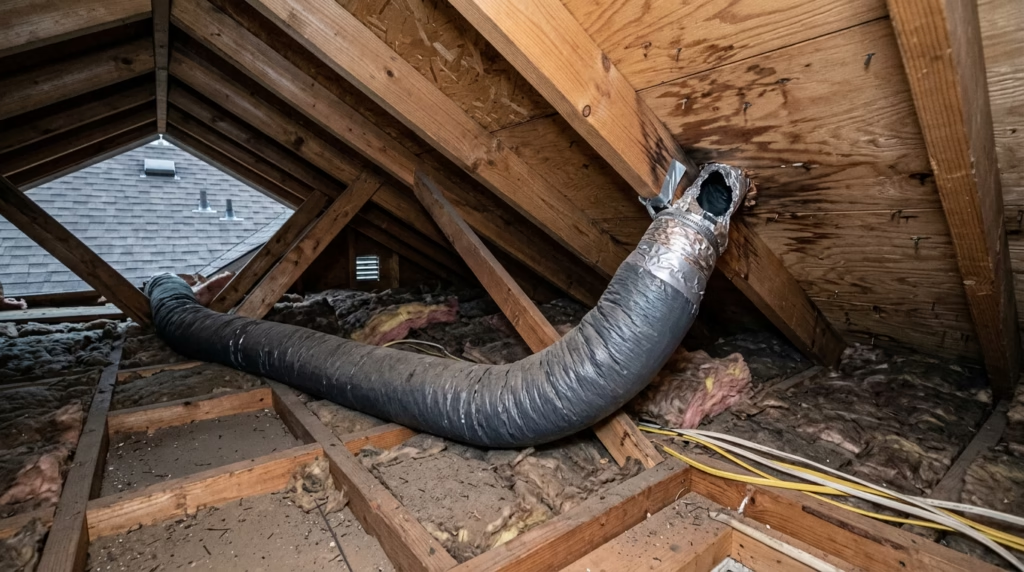
Fans venting into the attic instead of outside
This is a classic bad move.
Bathroom fans, kitchen exhaust, and dryers should not dump moist air into the attic. DOE’s durable-attics fact sheet says venting exhaust fans into the attic is a major source of moisture, can lead to mold and moisture problems, and should be corrected immediately.
Treating ventilation as a cure-all
Ventilation matters, but it is not magic.
If the attic is open to the living space below, outside airflow alone will not solve the problem. In fact, ENERGY STAR warns that powered attic fans can pull conditioned air out of the house and into the attic if soffit vents are blocked or the attic is not well sealed from the house, which can increase energy use rather than improve performance.
Why It Gets Missed
This topic gets missed because homeowners are often given half-answers.
One contractor says, “You need more insulation.”
Another says, “You need more ventilation.”
Someone else says, “Your HVAC is undersized.”
The problem is that any of those can be true, but none of them should be judged in isolation.
A well-performing attic is a system. DOE and ENERGY STAR both frame attic upgrades this way: air sealing, insulation, and ventilation need to be addressed together, not as disconnected patch jobs.
There is another wrinkle too: not every roof assembly has to be vented. Building Science notes that both vented and unvented attic or roof assemblies can work when they are properly designed and built. That matters because the right answer depends on the type of attic, the geometry, the climate, and how the assembly is being detailed. So the goal is not to worship a vent type like it is a religion. The goal is to make the assembly make sense.
What Can Happen If Ignored
When ventilation and insulation are not working together, the house usually keeps sending reminders.
Ignore the issue long enough and you can end up with:
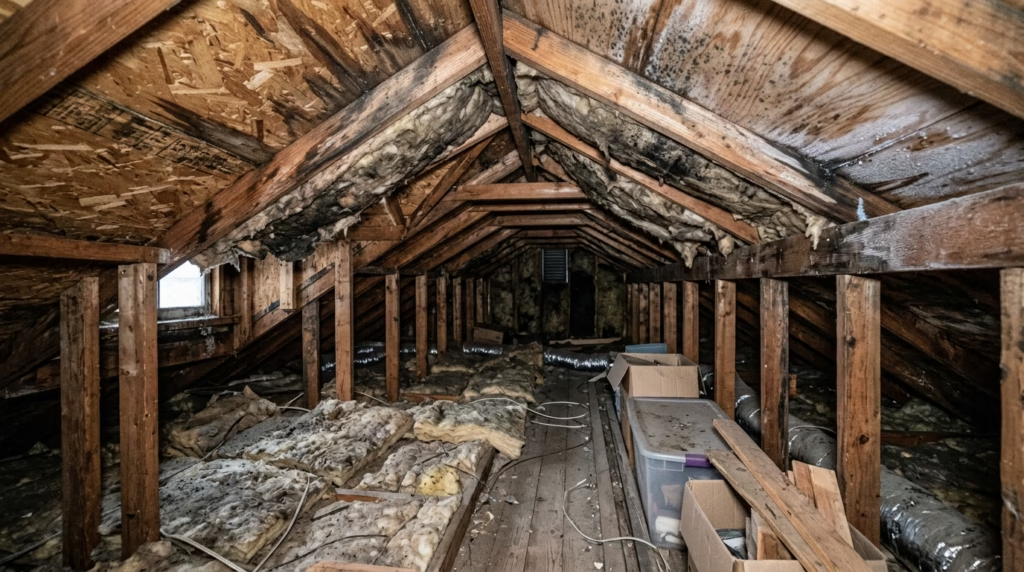
- Persistent comfort problems
- Higher heating and cooling costs
- Moisture buildup in the attic
- Wet insulation that performs worse than it should
- Mold or mildew on attic surfaces
- Ice dams and edge-related roof trouble
- Premature wear around soffits, fascia, and roof edges
DOE’s durable-attics guidance specifically warns that moisture can warp and damage the roof, render insulation useless, and create moisture problems in the main living areas of the house. ENERGY STAR also states that sealing and insulating can reduce heating and cooling costs, with attic improvements often being one of the biggest opportunities in a home.
Repair vs. Replace
When a focused improvement may be enough
A focused upgrade can make sense when the attic system is mostly sound and the problem is clearly limited.
That might mean:
- Adding insulation where levels are clearly low
- Air sealing obvious attic bypasses
- Installing baffles to protect soffit ventilation
- Correcting a bath fan that dumps into the attic
- Improving the attic hatch or access opening
Those kinds of corrections can be high-value improvements when the rest of the assembly is still behaving.
When the issue is bigger than “just add insulation”
Sometimes adding insulation alone is the wrong move.
If moisture is entering the attic, if soffit vents are blocked, if air sealing is poor, if fans terminate into the attic, or if the attic design is fundamentally flawed, more insulation by itself can leave the real problems untouched. DOE and ENERGY STAR both stress that attic insulation should be paired with proper air sealing and proper ventilation, not treated as a stand-alone bandage.
When the attic strategy itself needs to be reconsidered
Some homes have complex roofs, knee walls, difficult transitions, or assembly conditions where a more comprehensive attic strategy is needed.
That may involve reworking ventilation paths, correcting access details, addressing duct leakage, or evaluating whether the existing assembly should remain vented or be redesigned in a different way. Building Science notes that complex attic and roof assemblies can make vented approaches harder to execute well, and both vented and unvented designs can work when detailed correctly.
What a Proper Evaluation Should Check
A good evaluation should not stop at “how much insulation do you have?”
It should check:
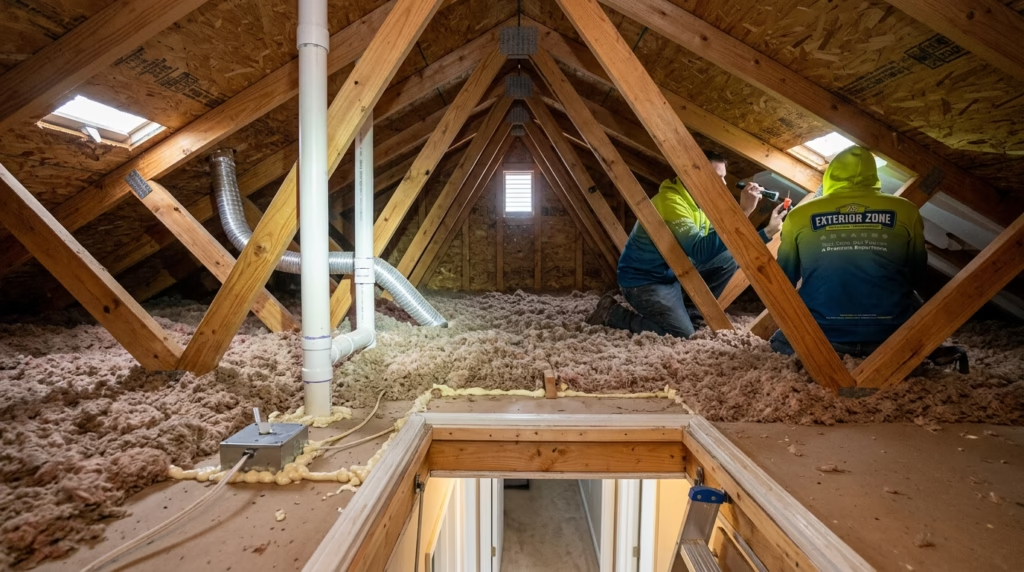
- Whether the attic floor is well air sealed
- Whether insulation is continuous, complete, and properly installed
- Whether soffit vents are open and protected with baffles where needed
- Whether ridge, soffit, and other vent paths are functioning as intended
- Whether bathroom, kitchen, or dryer exhaust is venting outside
- Whether there are signs of frost, staining, mold, or dampness
- Whether attic access points are insulated and air sealed
- Whether ductwork or recessed lights are leaking into the attic
- Whether the assembly is supposed to be vented or unvented, and whether it is being treated accordingly
That is how you stop guessing and start understanding the system.
The Bottom Line

Ventilation and insulation are not competing solutions. They are part of the same job.
Insulation helps slow heat flow. Ventilation helps manage heat and moisture. Air sealing keeps the house from feeding the attic with warm, moist indoor air in the first place.
When those parts work together, homes stay more comfortable, attics stay drier, and energy dollars stop sneaking out through the ceiling.
When they do not, the house starts acting weird. Usually expensive weird.